The Port Alden City Council voted 6-1 Tuesday night to approve a $48 million plan to rebuild the harbor seawall, ending eighteen months of debate over how to pay for it. The vote came after four hours of public testimony, most of it from Front Street property owners who will cover a quarter of the cost through a new harbor fee.
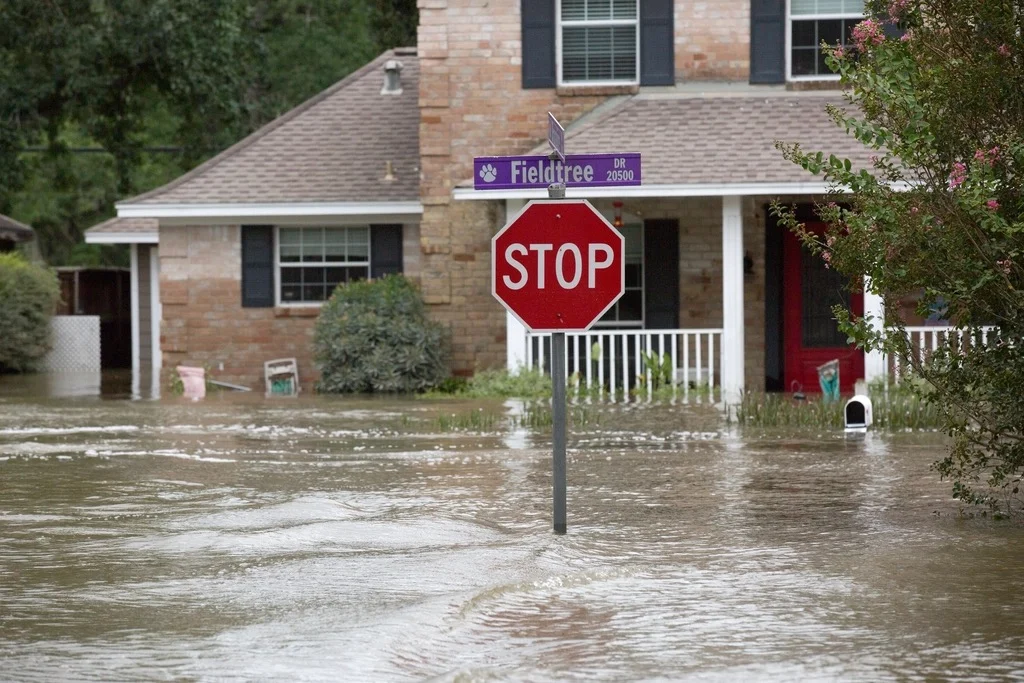
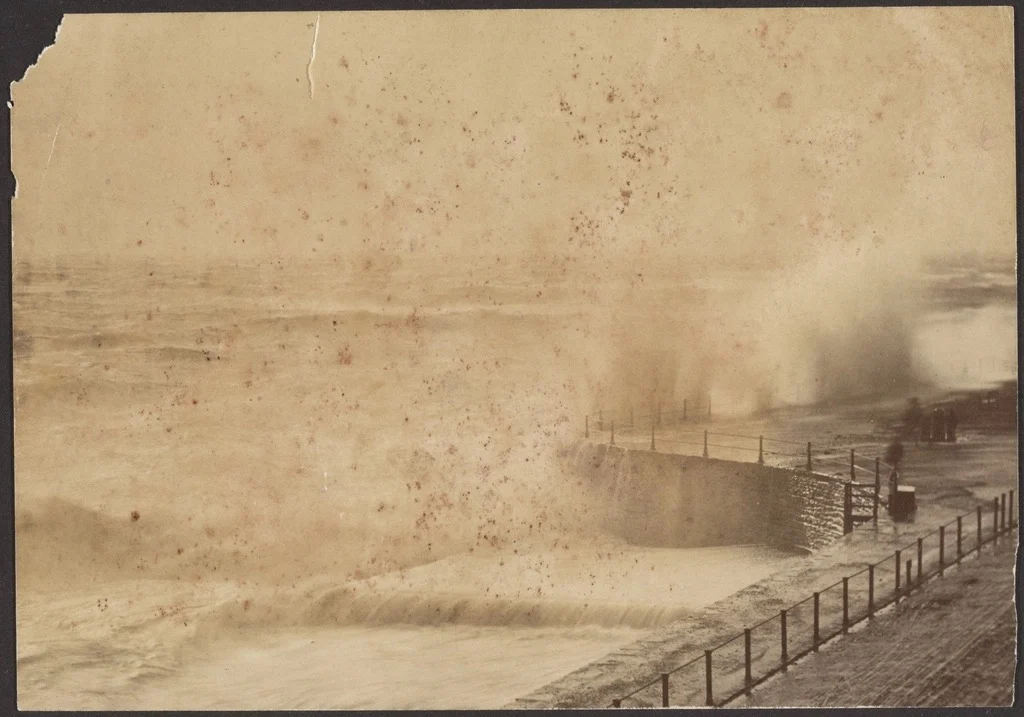
The current wall, built in stages between 1911 and 1954, failed in three places during storms last winter, flooding the ground floor of six Front Street buildings and closing the corner fish market for eleven days. A city-commissioned engineering report concluded the wall would not survive another decade of rising tides without a full rebuild, and that a partial patch job would cost nearly as much as starting over while buying the city only a few extra years. The council first flagged the wall's condition last spring, after a routine inspection turned up cracking along its base that engineers had not seen before, and spent months weighing three competing proposals before settling on the plan approved Tuesday, the most expensive of the three but the only one rated as a permanent fix rather than a delay.
Four hours of testimony
The council chamber was full by 6 p.m., with an overflow crowd watching from the lobby on a video feed. Most speakers supported the plan, though several Front Street landlords asked the council to spread the harbor fee over a longer period than the proposed ten years, and two speakers representing a renters' association asked what would stop landlords from passing the new fee on to tenants through higher rents.
Coastal engineer Hollis Grant, who wrote the risk assessment the council relied on, told the chamber the wall's failure points were not isolated incidents but a pattern that would repeat and worsen each winter without intervention. He walked the council through tide gauge data going back to the 1970s, showing the harbor's average high tide has risen nearly eight inches since the wall's newest section was poured in 1954.
"The wall is not going to fix itself, and it is not going to wait for us to agree on how to pay for it," Grant told the council.
Council member Priscilla Odom cast the lone dissenting vote, arguing the city should have pursued a state coastal resilience grant more aggressively before asking property owners to shoulder a share of the cost. "I don't doubt the wall needs to be rebuilt," Odom said. "I doubt we tried hard enough to find the money somewhere else first, and once this fee is in place, it is going to be very hard to undo it even if more state money shows up next year."
Who pays, and when
The $48 million will be raised through a combination of sources, according to the finance plan approved alongside the construction vote:
- $12 million from a new harbor fee, paid by Front Street property owners over ten years
- $28 million from a municipal bond, to be repaid from the general fund over twenty years
- $8 million from a state coastal resilience grant the city secured in the spring
City finance director Owen Marsh said the bond portion would add roughly eleven dollars a year to the average homeowner's property tax bill once repayment begins, a figure he called modest against the cost of repeated flood damage on Front Street. The harbor fee, by contrast, applies only to commercial property within two blocks of the waterline. Permitting is expected to take through the winter, with construction beginning in June and a target of substantial completion before next October, ahead of the storm season that damaged the current wall, proceeding in three sections so that no more than a third of the waterfront walkway is closed at any one time.
Front Street landlord Beatriz Soto, whose building flooded twice last winter, said she supported the plan despite the new fee. "It's not nothing, but it's less than what I'd pay in flood repairs every other year if the wall stays as it is," she said after the vote.